
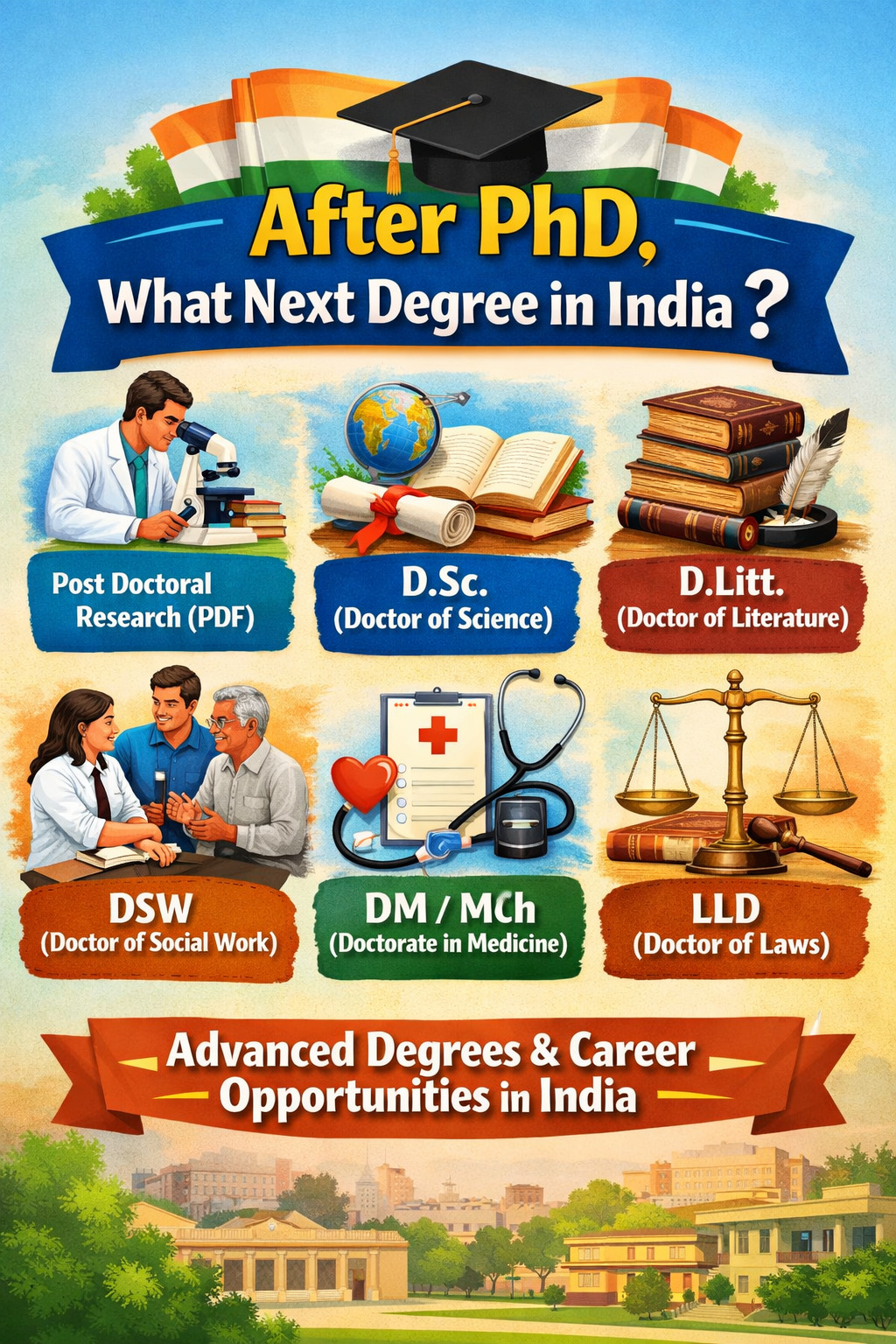
After completing our PhD, we’re often faced with the question of what degree to pursue next. Whether we’re considering postdoctoral research, specialized industry courses, or even an MBA, each path has its own merits. We need to align our choices with our career aspirations and market needs. So, what should we prioritize in this decision-making process? Let’s explore the various options available to us.
Key Takeaways
- Consider postdoctoral research opportunities to deepen expertise and enhance career prospects in academia or industry.
- Explore specialized certifications or diplomas that align with your research interests to boost employability.
- Evaluate pursuing a degree in management or public policy to transition into leadership roles in the government or private sector.
- Engage in interdisciplinary programs that combine your PhD background with emerging fields to broaden career options.
- Assess the value of an additional degree against your long-term career goals and financial commitments.
Defining Your Career Goals After a PhD
Defining our career goals after earning a PhD is vital, especially as we navigate the complex landscape of postdoctoral opportunities. By identifying our career aspirations, we can align our research interests with our personal motivations. This clarity drives our professional development and helps us craft a long-term vision that fosters job satisfaction. We must also consider skill alignment, making certain our abilities match the roles we pursue. Balancing our personal lives with demanding careers is essential, and embracing mentorship roles can enhance our impact assessment. Together, we can create a roadmap that not only fulfills our ambitions but also contributes positively to our fields. Let’s take these steps to guarantee our journey post-PhD is meaningful and rewarding.
Exploring Postdoctoral Research Opportunities in India
As we explore postdoctoral research opportunities in India, we’ll discover a wealth of options that can enhance our academic and professional journeys. With various postdoctoral funding sources available, we can pursue interdisciplinary research that aligns with our interests. Engaging in research collaborations with leading institutions allows us to expand our networks and contribute to impactful academic publications. We’ll also find mentorship opportunities that can guide us through career changes and help us navigate the complexities of academia. Additionally, many programs offer international fellowships, enabling us to gain global perspectives. By applying for research grants, we can secure the resources needed to fuel our projects and advance our careers in innovative and meaningful ways.
How to Apply for Postdoctoral Positions
When we decide to apply for postdoctoral positions, understanding the application process can greatly enhance our chances of success. First, we should identify potential institutions and researchers whose work aligns with our interests. Next, we need to prepare a strong postdoc application that includes our CV, cover letter, and relevant publications. It’s essential to tailor our research proposals to highlight how our work complements the host’s ongoing projects. We can also reach out to potential mentors to express our interest and discuss our ideas before submitting. Finally, we must pay attention to deadlines and requirements specific to each position. By being organized and proactive, we’ll strengthen our applications and increase our likelihood of securing a postdoctoral role.
Transitioning to Industry: Key Insights for PhDs
As we consider moving from academia to industry, it’s vital to understand what employers really expect from us. Networking and building professional connections can open doors, while focusing on skill development will guarantee we’re well-prepared for the challenges ahead. Let’s explore these key insights that can guide our shift effectively.
Understanding Industry Expectations
Understanding industry expectations is essential for PhDs aiming to move into the corporate world. We need to align with industry standards and employer expectations to bridge any skill gaps. By keeping an eye on sector demands and recruitment trends, we can better align our expertise with the job market. It’s vital to assess our industry readiness and identify areas for improvement, ensuring we’re not just academically skilled but also practically equipped. Emphasizing career adaptability will allow us to navigate various roles and environments effectively. Ultimately, understanding these expectations helps us shift smoothly, ensuring we meet employers’ needs while fostering our professional growth in the ever-evolving corporate landscape.
Networking and Professional Connections
Networking and professional connections play a pivotal role in our shift from academia to industry. Engaging in mentorship programs can provide us with invaluable guidance from seasoned professionals. Attending industry conferences and networking events allows us to meet potential collaborators and learn about emerging trends. Joining professional associations and alumni networks opens doors to collaboration opportunities and resources tailored to our career paths. We should leverage online platforms and social media to expand our reach and connect with peers. Participating in career fairs can also enhance our visibility to employers. By actively cultivating these connections, we can navigate more smoothly into industry roles, ensuring we’re well-equipped to navigate our new professional landscape. Let’s embrace these opportunities together!
Skill Development Opportunities
While shifting from academia to industry, we must prioritize skill development to enhance our employability and adaptability. Engaging in vocational training and online courses can considerably boost our technical proficiency. Pursuing industry certifications helps us stand out in a competitive job market. Furthermore, mentorship programs can provide invaluable guidance from experienced professionals. Attending workshops and seminars allows us to fine-tune our soft skills and gain insights into industry trends. Leadership training is essential for those aspiring to managerial roles, while entrepreneurship skills can open doors to innovative opportunities. By actively seeking these skill enhancement avenues, we can facilitate a smooth change into the industry, equipping ourselves with the necessary tools to thrive in our new careers.
Evaluating the Value of Additional Degrees After a PhD
As we navigate our academic and professional journeys, the decision to pursue additional degrees after a PhD can considerably impact our careers. We need to conduct a thorough value assessment to determine if another degree aligns with our goals. We should consider the specific skills and knowledge each additional degree offers and how they compare to our current qualifications. Degree comparison is vital; some programs may enhance our expertise, while others might not provide significant returns on our investment. Ultimately, we need to weigh the benefits against the time and financial commitments involved. By carefully evaluating these factors, we can make informed decisions that support our long-term aspirations and professional growth.
Starting Your Own Venture: The Entrepreneurial Path
Starting our own venture can be a thrilling yet challenging choice after completing a PhD. We’ll need to plunge into business planning, creating a solid foundation for our ideas. Conducting market research helps us understand the startup ecosystem and identify our target audience. To secure funding, we should explore various funding strategies, guaranteeing we have a compelling pitch development. Engaging with innovation hubs and mentorship programs can offer invaluable insights and connections. Adopting an entrepreneurial mindset is essential, as we’ll face risks that require effective risk management. Finally, we must assess the scalability potential of our venture to ensure long-term success. By embracing these elements, we can confidently set forth on our entrepreneurial journey.
Securing Academic Positions: Teaching and Lecturing Opportunities
Securing academic positions in teaching and lecturing can be a rewarding path after earning our PhD, especially if we’re passionate about sharing knowledge. To navigate the academic job market, we need to focus on key areas like effective teaching methodologies and thorough lecture preparation. Engaging in academic networking helps us connect with potential employers and discover mentorship opportunities.
| Aspect | Importance | Tips for Success |
|---|---|---|
| Research Funding | Essential for projects and grants | Identify funding sources |
| Faculty Recruitment | Competitive landscape | Tailor applications |
| Curriculum Development | Enhances student learning | Align with academic standards |
How to Use Your PhD in Government Jobs
As we explore how to leverage our PhD for government jobs, we’ll uncover various opportunities that fit our advanced qualifications. We’ll also share insights into the application process and effective strategies to showcase our skills. Together, we can navigate this pathway to impactful careers in public service.
Government Job Opportunities
While many might think that a PhD leads primarily to academic roles, it actually opens up a diverse range of government job opportunities. With our advanced research skills and expertise, we can excel in various public sector roles, including policy analysis, research positions, and administrative posts. Government recruitment often seeks candidates with our qualifications to tackle complex issues and drive innovation in public services. We can work in ministries, research organizations, or even public health sectors, making meaningful contributions to society. Our ability to analyze data and develop solutions positions us as strong contenders for these roles. By leveraging our PhD, we can navigate the public sector landscape and find fulfilling careers that align with our skills and aspirations.
Application Process Insights
Understanding the application process for government jobs can greatly enhance our chances of success after earning a PhD. We need to focus on several key aspects to navigate this effectively.
| Aspect | Details |
|---|---|
| Application Requirements | Confirm we meet the eligibility criteria. |
| Document Preparation | Prepare research proposals and recommendation letters carefully. |
| Submission Timelines | Adhere to strict deadlines for applications. |
| Interview Tips | Practice common questions and showcase our expertise. |
Exploring funding options is also essential; we must know the resources available to support our applications. By keeping these factors in mind, we can streamline our journey toward securing a government position that values our advanced qualifications.
Skills Utilization Strategies
Leveraging our PhD skills in government jobs can greatly enhance our contributions to public service. First, we should conduct an assessment to identify our strengths, such as research, analytical thinking, and problem-solving. These skills are highly valued in various government roles, from policy analysis to program management. Next, we can engage in career mapping to align our PhD expertise with potential job opportunities. By exploring positions that require our specific skill set, we can find roles that not only utilize our education but also allow us to make impactful changes. Networking with professionals in the field can also provide insights and guidance, helping us shift smoothly into fulfilling government careers that maximize our qualifications.
Networking Strategies for PhD Graduates
As we navigate the shift from PhD to the next stage in our careers, effective networking becomes essential. We should actively seek out networking events and industry conferences to connect with like-minded professionals. Utilizing online platforms and social media can help us maintain these connections and expand our reach. Engaging in mentorship programs allows us to gain insights from experienced individuals in our field. Joining professional associations and alumni networks can provide valuable resources and opportunities. Participating in research collaborations and informal meetups fosters relationships that may lead to future projects. Ultimately, attending skill-sharing workshops enables us to both learn and showcase our expertise, solidifying our presence in the academic and professional community.
Essential Skills and Certifications for PhD Graduates
While shifting from a PhD program to the next phase of our careers, we need to focus on acquiring essential skills and certifications that enhance our employability and expertise. Proficiency in data analysis and technical skills is vital, as is mastering project management to lead initiatives effectively. We should also hone our communication skills to articulate findings clearly. Familiarity with diverse research methodologies and teaching experience can set us apart in academia or industry. Developing leadership qualities and critical thinking enables us to tackle complex problems. Time management and collaboration techniques will enhance our productivity in team settings. By prioritizing these skills and certifications, we position ourselves for a successful shift to our desired careers.
Frequently Asked Questions
What Are the Best Degrees to Pursue After a Phd in India?
We believe the best degrees after a PhD in India include postdoctoral research for deepening expertise and academic leadership programs for enhancing management skills. These paths equip us for impactful careers in academia and beyond.
How Can I Finance Further Studies After Completing My Phd?
We can explore various funding sources, like scholarship options, grants, and fellowships. Additionally, reaching out to universities and organizations may uncover hidden resources to finance our further studies after completing our PhD.
Are Online Degrees Recognized After a Phd in India?
Yes, online degrees are recognized in India. We appreciate the flexibility and accessibility of online learning benefits, helping us pursue advanced studies while balancing work and personal commitments, ultimately enhancing our professional opportunities.
What Industries Value Additional Qualifications After a Phd?
Many industries value additional qualifications after a PhD, especially in corporate research, academic leadership, and consulting roles. We see significant opportunities arising from industry partnerships that enhance our expertise and broaden our career prospects.
How Do I Choose the Right Specialization for Further Studies?
To choose the right specialization, we should evaluate our interests and skills against industry demands. Let’s align our career goals with specialization criteria, ensuring our further studies enhance our professional journey and open new opportunities.
Conclusion
In summary, steering the path after our PhD can be both exciting and challenging. Whether we choose to plunge into postdoctoral research, shift to industry, or pursue additional certifications, the key is to align our decisions with our personal interests and career aspirations. By exploring various opportunities and networking effectively, we can carve out a fulfilling career that leverages our expertise and passion. Let’s embrace this journey and make informed choices that propel us forward.