
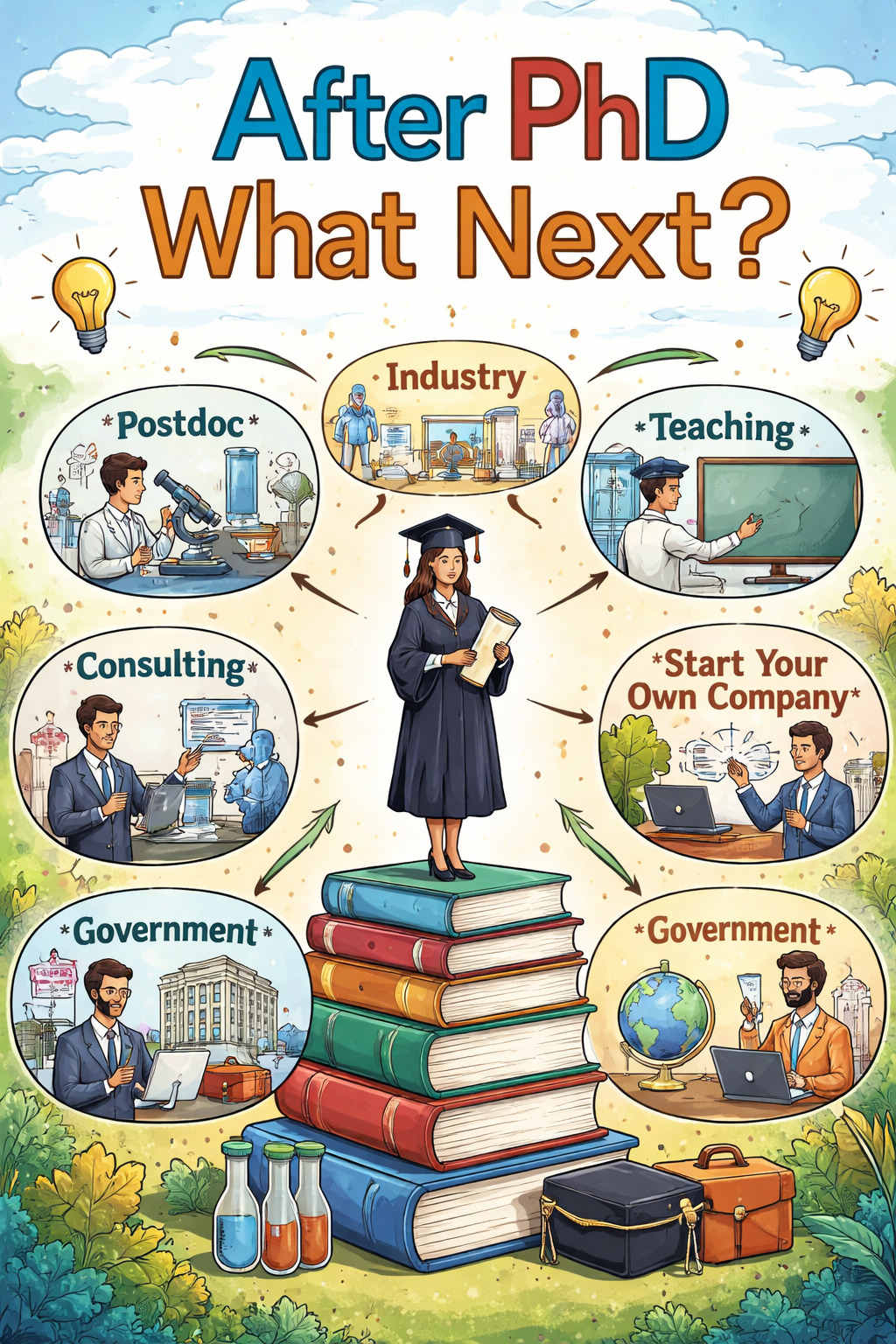
After completing a PhD, we often find ourselves at a crossroads, pondering our next steps. Should we pursue another degree, or perhaps a postdoctoral fellowship? The choices can be overwhelming, and each path offers distinct advantages depending on our career goals. As we weigh the options, it’s essential to reflect on how our research experience and interests align with industry demands. So, what factors should we prioritize in this decision-making process?
Key Takeaways
- Consider pursuing specialized certifications that align with your career goals and enhance your expertise in a chosen field.
- Evaluate the potential benefits of an additional degree based on personal interests, job market growth, and financial implications.
- Explore industry-relevant skills that an additional degree could provide, such as project management or data analysis competencies.
- Reflect on how an advanced degree may facilitate transitions to industry roles or facilitate career shifts within academia.
- Leverage networking and mentorship opportunities to gain insights into whether pursuing another degree aligns with your long-term career objectives.
Exploring Postdoctoral Fellowships: Is It Right for You?
Have we ever considered what a postdoctoral fellowship could mean for our careers? As we navigate the complex landscape after our PhDs, postdoc benefits become increasingly clear. These fellowships offer us the chance to deepen our expertise, conduct innovative research, and expand our professional networks. They can be pivotal during our career shifts, allowing us to refine our skills while exploring new opportunities in academia or industry. With mentorship from experienced researchers, we gain valuable insights that can shape our future paths. By engaging in a postdoc, we not only enhance our resumes but also prepare ourselves for the diverse roles that await us. Ultimately, a postdoctoral fellowship might just be the stepping stone we need to propel our careers forward.
Skills for Transitioning to Industry Roles
As we contemplate the shift from academia to industry, it’s essential to recognize the skills that will facilitate this change. First, we need to identify the industry skills that are highly valued by employers, such as project management, data analysis, and communication. These competencies are often essential in fast-paced environments where teamwork and adaptability are significant.
Next, we should focus on our transferable competencies. Skills like critical thinking, problem-solving, and research methodologies can be effectively applied in various contexts beyond academia. By highlighting these abilities on our resumes, we can demonstrate our readiness for industry roles. Ultimately, understanding and communicating these skills will help us make a successful change and thrive in our new careers.
Specialized Certifications: Enhancing Your Post-PhD Career
While identifying valuable skill sets is the stage for our move into industry, obtaining specialized certifications can greatly enhance our profiles. These certification programs are designed to align with industry standards, providing us with recognized credentials. By engaging in online courses offered by professional associations, we can acquire specialized knowledge that facilitates skill enhancement. This proactive approach aids in our career changes.
Here’s a quick overview of potential certifications:
| Certification Name | Focus Area | Provider |
|---|---|---|
| PMP | Project Management | PMI |
| CAPM | Project Management | PMI |
| Six Sigma Green Belt | Process Improvement | ASQ |
| AWS Certified Solutions Architect | Cloud Computing | Amazon |
| Data Science Certificate | Data Analysis | Coursera/edX |
These credentials can greatly bolster our marketability.
Deciding on an Additional Degree: Key Factors to Consider
As we consider pursuing an additional degree after our PhDs, it’s essential to weigh several key factors. We should reflect on how this choice aligns with our career advancement opportunities, personal interests, and financial implications. By evaluating these aspects, we can make a more informed decision about our next steps.
Career Advancement Opportunities
When considering whether to pursue an additional degree after earning a PhD, we must weigh the potential career advancement opportunities it could reveal. An additional degree can enhance our qualifications for leadership roles, positioning us as experts in our fields. This can open doors to higher-level positions that require a more diverse skill set. Furthermore, for those interested in entrepreneurial ventures, an additional degree may provide us with essential business acumen and strategic thinking abilities. It can help us navigate the complexities of launching and managing our own projects. Ultimately, we should carefully evaluate how an extra degree aligns with our career goals and the specific opportunities it may create in our professional journey.
Personal Interest and Passion
Pursuing an additional degree after earning a PhD often hinges on our personal interests and passions. We should reflect on what truly excites us, as this will guide our choices. If we’ve always had a passion project in mind—whether it’s art, environmental science, or technology—considering a degree in that field can ignite our enthusiasm and enhance our personal development. It’s essential to align our educational pursuits with what we love, as this alignment can lead to fulfilling experiences. By choosing a degree that resonates with our interests, we not only enrich our knowledge but also keep our motivation high. Ultimately, investing in our passions can lead to a more satisfying and meaningful journey beyond our PhD.
Financial Considerations and Impact
Choosing a degree based on personal interests is a great starting point, but we also need to weigh the financial implications of pursuing additional education. We should consider our financial planning carefully, as an additional degree can be a significant investment. It’s essential to explore the potential return on investment and how it aligns with our career goals. Are there specific fields where job opportunities are growing? What are the costs involved, including tuition and living expenses? We must evaluate our investment options, whether that means applying for scholarships, seeking employer funding, or exploring student loans. By balancing our passion with a clear understanding of the financial impact, we can make informed decisions about our next degree.
Evaluating Your Research Experience: How It Shapes Your Options
As we evaluate our research experience, we should consider how our skills can open doors for future opportunities. Identifying our research strengths not only highlights what we can offer but also helps us connect with others in our field. By exploring networking possibilities, we can better navigate our next steps after the PhD.
Research Skills Assessment
While we may feel overwhelmed by the myriad of options after completing a PhD, evaluating our research skills can provide invaluable clarity. By reflecting on our research methodology and critical analysis abilities, we can better understand our strengths and how they align with potential career paths.
Here’s a simple table to help us assess our skills:
| Skill | Evaluation |
|---|---|
| Research Methodology | Strong understanding |
| Critical Analysis | Proficient with nuances |
| Data Interpretation | Adequate but needs growth |
| Communication of Findings | Excellent presentations |
Networking Opportunities Explored
Understanding our research skills not only helps us identify our strengths but also opens doors to networking opportunities that can shape our career paths after a PhD. By leveraging our research experience, we can forge valuable professional connections with industry experts, which is essential for our future endeavors. Attending industry events is a fantastic way to meet potential collaborators, mentors, and employers who can guide us in our next steps. Engaging in discussions about our research can spark interest and lead to partnerships we may not have considered. Let’s actively seek out these opportunities to expand our networks, showcase our skills, and explore various career paths that align with our passions and expertise. Every connection counts!
How to Build Your Network After a PhD
Building a strong professional network after completing our PhDs can greatly enhance our career prospects. One effective networking strategy is attending industry conferences and seminars. These events allow us to meet professionals and fellow scholars, fostering valuable connections. We should also leverage social media platforms like LinkedIn to showcase our expertise and engage with others in our field. Joining online forums and professional organizations can provide additional opportunities to connect with like-minded individuals. Don’t forget the power of informational interviews; reaching out to established professionals can open doors we didn’t even know existed. By actively participating in these networking strategies, we’ll build lasting professional connections that can support our career growth for years to come.
How Can Mentorship Enhance Your Career After a PhD?
Networking is just one piece of the puzzle when it comes to advancing our careers after a PhD. Mentorship plays an essential role in this journey, offering invaluable mentorship benefits that can shape our professional paths. With a mentor, we gain access to personalized career guidance tailored to our unique goals and aspirations. They can help us navigate the complexities of our fields, provide insights into industry trends, and introduce us to key contacts. Plus, mentors often share their experiences and lessons learned, which can save us from common pitfalls. By fostering these relationships, we not only enhance our skill sets but also build confidence in our abilities, making us better prepared for the challenges ahead. Let’s embrace mentorship and watch our careers flourish!
How to Manage Work-Life Balance After Your PhD?
While pursuing a PhD often requires immense dedication and long hours, we must remember that achieving a healthy work-life balance is fundamental for our overall well-being. To manage this balance effectively, we can implement self-care strategies that prioritize our mental and physical health. Taking breaks, engaging in hobbies, and spending quality time with loved ones help recharge our batteries.
Additionally, mastering time management is essential. We should create structured schedules that allocate specific times for work and relaxation, allowing us to focus without burning out. Setting boundaries is significant; we must learn to say no when necessary. By combining self-care practices with effective time management, we can shift smoothly into our post-PhD lives, ensuring that we thrive both personally and professionally.
Frequently Asked Questions
What Are Alternative Career Paths Besides Academia After a Phd?
We can explore diverse career paths beyond academia, like industry roles in research and development, consulting, or policy-making. Shifting into these sectors opens exciting research opportunities, allowing us to apply our expertise in practical settings.
How Do I Choose the Right Field for a Second Degree?
To choose the right field for a second degree, we should assess our skills, explore our career interests, align them with our personal passions, and consider market demand to guarantee a fulfilling and practical choice.
What Financial Considerations Should I Evaluate Before Pursuing Another Degree?
We should evaluate tuition costs and explore various funding options before pursuing another degree. Balancing expenses with potential salary increases helps us make informed decisions about our educational investments and future financial stability.
How Long Does It Typically Take to Complete an Additional Degree?
Typically, pursuing another degree takes us about one to three years, depending on the program’s intensity and our chosen post-PhD options. We should assess how this duration fits into our personal and professional goals.
What Are the Benefits of Pursuing an Online Degree Versus a Traditional One?
Pursuing an online degree offers flexibility advantages and often a cost-effectiveness comparison to traditional programs. We can balance our studies with other commitments, making education more accessible and tailored to our individual needs.
Conclusion
In summary, after completing our PhDs, we have several exciting pathways to evaluate for our next steps. Whether we opt for a postdoctoral fellowship, pursue specialized certifications, or even explore additional degrees, it’s essential to align our choices with our career goals and interests. By actively networking, seeking mentorship, and balancing our professional and personal lives, we can navigate this shift effectively and open new opportunities for growth and fulfillment in our careers.