
As we commence our journey in the HR field after completing an MBA, we often find ourselves considering the next steps for growth and expertise. Additional courses and certifications can play an important role in shaping our careers. But which ones truly stand out? Let’s explore the essential options that can elevate our skills and position us as leaders in this ever-evolving landscape. The answers might surprise us.
Key Takeaways
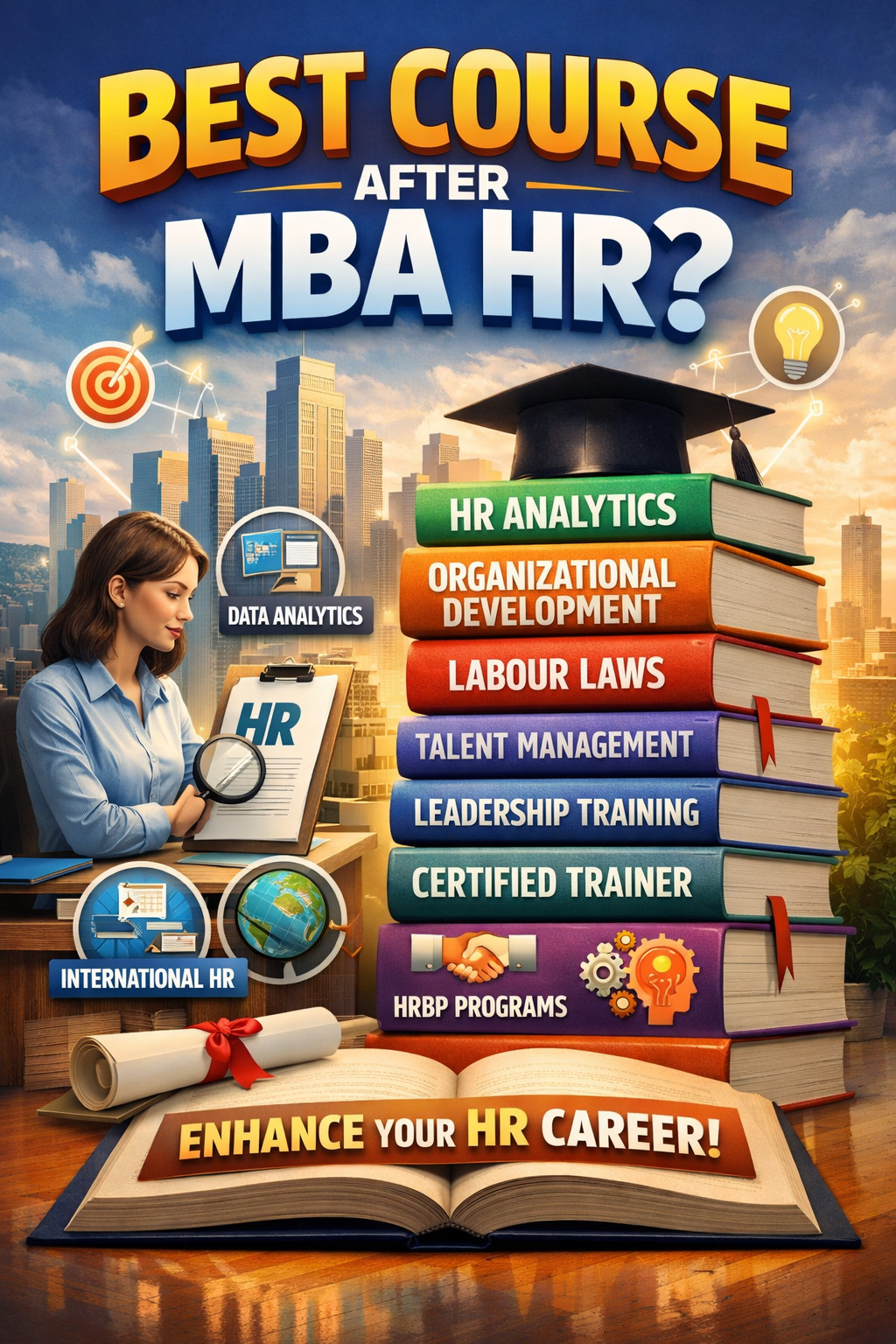
- Pursue HR certifications like SHRM-CP or PHR to enhance expertise and validate your HR skills post-MBA.
- Consider courses in HR analytics to gain data-driven insights and improve workforce management.
- Explore programs focused on employee engagement strategies to foster a collaborative workplace culture.
- Invest in specialized training on legal compliance and labor laws to ensure adherence and mitigate risks.
- Enhance your leadership capabilities through courses on emotional intelligence and effective communication in HR.
Why Additional Learning Matters After Your MBA in HR
While we’ve gained valuable knowledge during our MBA in HR, the evolving landscape of human resources demands that we continue learning. Staying updated not only enhances our skills but also supports our career advancement. As we dive deeper into HR specialization, we discover that new trends and technologies continuously reshape our field.
Essential Certifications Every HR Professional Should Consider
As we navigate our careers in human resources, pursuing essential certifications can greatly enhance our expertise and credibility. Certification programs like the SHRM-CP or PHR equip us with valuable knowledge and skills, making us more competitive in the job market. These credentials not only validate our professional capabilities but also open doors for advancement.
Moreover, engaging in these programs often leads to opportunities for professional networking. We can connect with fellow HR professionals, share insights, and learn from each other’s experiences. This collaboration enriches our understanding of industry trends and best practices. By committing to continuous learning through certifications, we position ourselves as knowledgeable leaders in the HR field, ready to tackle the challenges that come our way.
Key HR Analytics Skills to Enhance Your Impact
To effectively drive our HR strategies, we must master key analytics skills that empower us to make data-driven decisions. One essential skill is data visualization, which helps us present complex data in an easily digestible format. By utilizing tools like dashboards and charts, we can clearly communicate insights to stakeholders, fostering better understanding and collaboration.
Another important area is predictive analytics. By analyzing historical data, we can forecast trends and potential challenges, allowing us to proactively address issues before they arise. This foresight not only enhances our strategic planning but also guarantees we’re aligned with organizational goals. Together, these skills enhance our impact, enabling us to optimize workforce management and drive positive change within our organizations.
How to Create an Effective Workplace Through Organizational Development
To create an effective workplace, we need to align our vision and goals with our team’s objectives. By fostering a collaborative culture and implementing continuous learning programs, we can empower our employees to thrive. Let’s explore how these strategies can lead to a more productive and engaged workforce.
Align Vision And Goals
Creating an effective workplace hinges on aligning vision and goals within an organization. We must first establish a clear vision that resonates with every team member. This vision alignment is essential, as it creates a shared purpose that drives motivation and engagement. Next, we focus on goal setting that directly supports this vision. By setting specific, measurable, achievable, relevant, and time-bound (SMART) goals, we guarantee our team is working towards a common objective. Regularly reviewing these goals and adjusting them as needed keeps everyone on track and fosters a sense of accountability. Ultimately, when our vision and goals are in sync, we cultivate a productive environment where employees feel empowered and aligned with the organization’s mission.
Foster Collaborative Culture
While we may have individual strengths and perspectives, fostering a collaborative culture is essential for a thriving workplace. When we focus on enhancing team dynamics, we create an environment where everyone feels valued and empowered. Open communication is key; it encourages us to share ideas freely and seek input from one another.
We also need to prioritize conflict resolution strategies. By addressing conflicts swiftly and constructively, we can turn challenges into opportunities for growth. Encouraging respectful dialogue helps us understand different viewpoints and strengthens our relationships.
Ultimately, a collaborative culture not only boosts morale but also drives productivity. Let’s work together to build a workplace where collaboration flourishes, transforming our collective potential into shared success.
Implement Continuous Learning Programs
Building a collaborative culture naturally leads us to contemplate how we can further enhance our workplace through continuous learning programs. By implementing these programs, we foster an environment that encourages continuous improvement and growth.
We can utilize various learning methodologies, such as online courses, workshops, and mentorship, to cater to diverse learning preferences. It’s crucial to assess our team’s needs regularly, ensuring our initiatives are relevant and effective.
Encouraging our employees to take ownership of their learning journeys not only boosts morale but also enhances overall productivity. As we integrate continuous learning into our organizational development strategy, we’re not just investing in our people; we’re creating a thriving workplace that adapts and evolves with the industry.
Effective Employee Engagement Strategies to Boost Morale
Let’s explore some effective employee engagement strategies that can greatly boost morale in our workplace. By fostering open communication channels, implementing recognition and rewards programs, and organizing team-building activities, we can create an environment where everyone feels valued. Together, we can enhance our team’s spirit and drive success.
Open Communication Channels
Effective employee engagement hinges on open communication channels, which foster a culture of trust and collaboration within the workplace. When we encourage open dialogue, we create an environment where everyone feels valued and heard. This leads to stronger relationships among team members and enhances overall productivity. By implementing feedback loops, we guarantee that employees can share their insights and concerns, allowing us to adapt and grow together. Regular check-ins and open forums empower our team to voice ideas and suggestions, making them feel more invested in our collective success. Ultimately, prioritizing these communication strategies not only boosts morale but also drives innovation and commitment, paving the way for a thriving organizational culture. Let’s embrace this approach together!
Recognition and Rewards Programs
While fostering a positive workplace culture, implementing recognition and rewards programs can greatly boost employee morale and engagement. By using effective reward strategies, we can create an environment where employees feel valued and motivated. Here are some key components to contemplate:
- Peer-to-Peer Recognition: Encourage employees to acknowledge each other’s contributions.
- Performance Bonuses: Offer financial incentives for achieving specific goals.
- Employee of the Month: Highlight outstanding employees regularly to inspire others.
- Personalized Rewards: Tailor rewards to individual preferences for maximum impact.
- Public Recognition: Celebrate achievements in company meetings or newsletters.
Team-Building Activities
When we prioritize team-building activities, we not only strengthen relationships among employees but also enhance overall morale and productivity. Engaging in these activities fosters better team dynamics, allowing us to understand each other’s strengths and weaknesses. Through trust-building exercises, we create an environment where everyone feels valued and supported.
Understanding Key Labor Laws for HR Success
Understanding key labor laws is essential for our success in HR, as these regulations shape the workplace environment and employee relations. By mastering labor law fundamentals, we guarantee compliance and foster a positive culture. Here are some key areas to focus on:
- Employment contracts and agreements
- Equal Employment Opportunity (EEO) laws
- Wage and hour regulations
- Occupational Safety and Health Administration (OSHA) standards
- Employee rights and protections
Investing in compliance training helps us navigate the legal landscape effectively. It not only protects our organization but also empowers us to support our employees better. Staying informed about these laws allows us to create a fair and compliant workplace, ultimately contributing to our overall HR success.
Top Talent Management and Succession Planning Courses
To effectively manage talent and plan for succession, we need to invest in specialized courses that equip us with the right skills and knowledge. Courses in talent management and succession planning focus on essential areas like talent acquisition and performance management. By exploring these subjects, we’ll learn how to identify high-potential employees and develop them into future leaders.
Programs that emphasize real-world applications and case studies can help us understand how to create effective succession plans tailored to our organizational needs. Additionally, focusing on performance management techniques will enhance our ability to assess and improve employee contributions. With the right courses, we’ll be prepared to drive talent strategies that foster growth and stability within our organizations.
Diversity and Inclusion Strategies for a Positive Workplace Culture
Creating a positive workplace culture hinges on our commitment to diversity and inclusion strategies. By embracing these principles, we can foster an environment where everyone feels valued and respected. Here are some effective strategies we can implement:
- Promote Cultural Awareness: Encourage understanding of different backgrounds and perspectives.
- Foster Inclusive Leadership: Train leaders to embrace diversity and champion inclusivity.
- Implement Diverse Hiring Practices: Guarantee our recruitment processes attract a wide range of candidates.
- Offer Employee Resource Groups: Create spaces for underrepresented employees to share their experiences.
- Encourage Open Communication: Build a culture where feedback and discussions about diversity are welcomed.
Essential HR Technology Tools for Streamlining Processes
As we navigate the complexities of human resources, leveraging essential HR technology tools can markedly streamline our processes and enhance efficiency. HR software allows us to integrate various functions, from recruitment tools that simplify talent acquisition to performance management systems that help track employee progress. By utilizing process automation, we can minimize manual tasks, ensuring a smoother employee onboarding experience. Data analytics plays a significant role in workforce planning, enabling us to make informed decisions based on trends and patterns. Additionally, learning management systems facilitate ongoing employee development, while survey tools gather valuable feedback to enhance workplace culture. Together, these tools empower us to optimize our HR practices and drive organizational success.
Developing Soft Skills for HR Success and Leadership
As we navigate the HR landscape, developing our emotional intelligence and enhancing our communication skills are essential for success. These soft skills not only improve our interactions with colleagues but also empower us to lead more effectively. Let’s explore how sharpening these abilities can transform our approach to human resources.
Emotional Intelligence Development
How can we truly excel in HR and leadership roles? Developing our emotional intelligence is key. By honing this essential skill, we not only enhance our emotional resilience but also improve our effectiveness in managing teams. Here are some areas we should focus on:
- Self-awareness: Recognizing our emotions and their impact on others.
- Empathy training: Understanding and sharing the feelings of our colleagues.
- Emotional regulation: Managing our responses in challenging situations.
- Interpersonal skills: Building strong relationships through effective communication.
- Conflict resolution: Guiding disagreements with sensitivity and understanding.
Communication Skills Enhancement
Building on our emotional intelligence, we can considerably enhance our communication skills, which are essential for success in HR and leadership roles. By practicing active listening, we not only understand our colleagues better but also foster a supportive work environment. This skill allows us to respond thoughtfully, instead of reacting impulsively, creating stronger team dynamics.
Moreover, mastering persuasive communication empowers us to convey our ideas effectively and influence others positively. We can inspire our teams and drive organizational change when we articulate our vision clearly.
Engaging in workshops, role-playing, and feedback sessions can help us refine these skills. Ultimately, investing in our communication abilities will lead to greater success and fulfillment in our HR careers. Let’s embrace this journey together!
Frequently Asked Questions
What Is the Average Salary Increase After Additional HR Certification?
We’ve found that additional HR certifications can lead to an average salary increase of 10-20%. These certifications often boost our salary expectations, enhancing our expertise and marketability in the competitive HR landscape.
How Long Does It Take to Complete HR Certification Courses?
HR certification courses typically range from a few weeks to several months, depending on the program. We should always check the course duration and certification timelines to find the best fit for our schedules.
Are Online HR Courses as Effective as In-Person Classes?
We believe online learning can be just as effective as in-person classes, depending on the course design and our engagement. The flexibility of online courses often enhances our learning experience, making them a valuable choice.
Can I Specialize in a Niche Area After My MBA in HR?
Absolutely, we can specialize in niche areas after our MBA in HR. Pursuing niche specializations enhances our skill set and greatly boosts career advancement opportunities in today’s dynamic job market. Let’s explore these paths together!
What Are the Best Platforms for HR Online Courses?
We’ve found that popular online learning and certification platforms like Coursera, LinkedIn Learning, and Udemy offer excellent HR courses. They provide flexibility and a range of topics to enhance our skills effectively.
Conclusion
In summary, pursuing additional learning after your MBA in HR is vital for our growth and success in this dynamic field. By exploring essential certifications, honing our analytics skills, and embracing effective employee engagement strategies, we position ourselves as valuable leaders. Let’s not forget the importance of diversity, inclusion, and technology in shaping a positive workplace culture. Together, we can continually enhance our expertise and drive meaningful change in our organizations, ultimately paving the way for career advancement.