
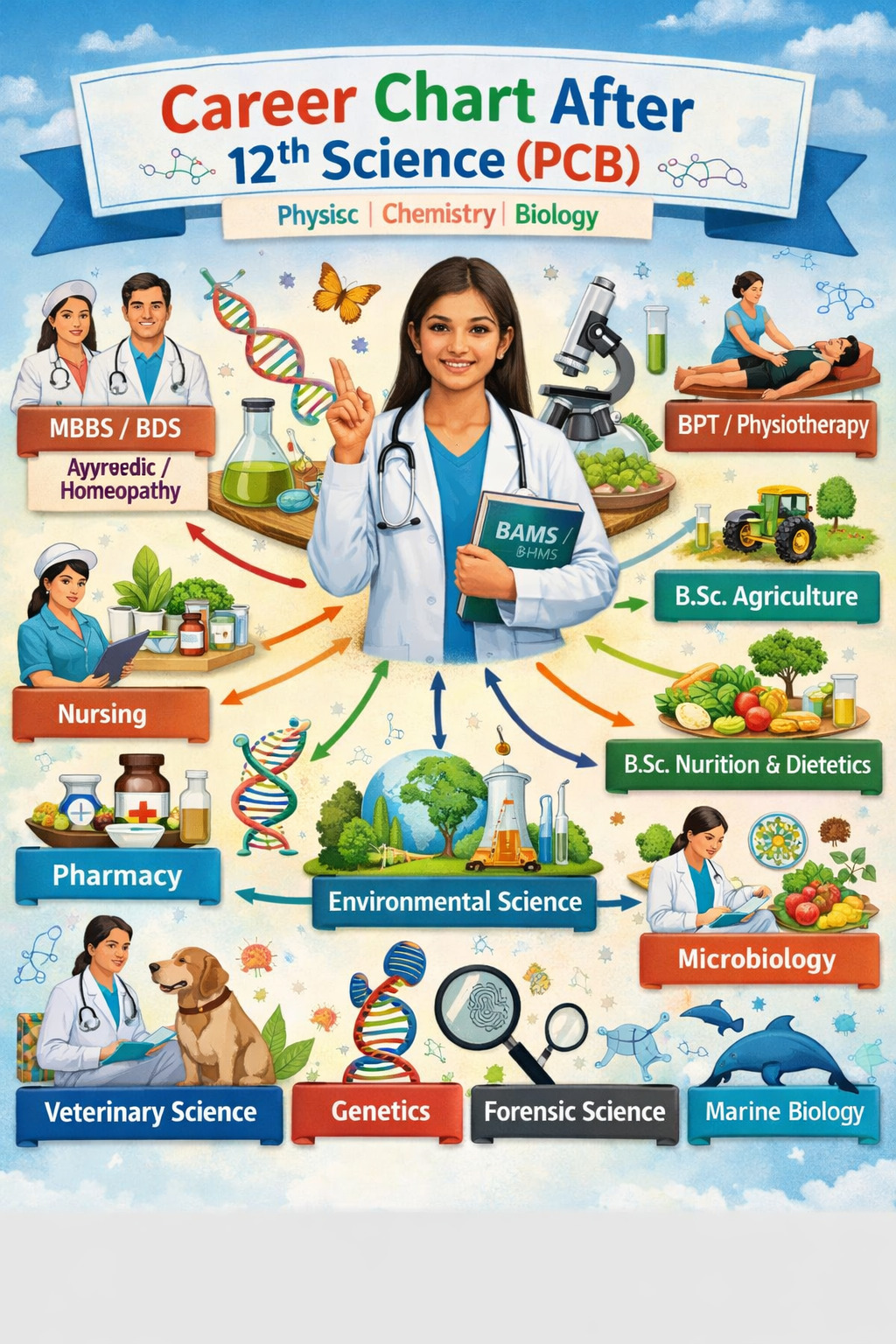
As we explore career paths after completing 12th Science with a PCB background, we find ourselves at a crossroads filled with diverse opportunities. From medicine to environmental science, each field offers unique prospects and challenges. It is crucial to understand the qualifications needed and the job market landscape to make informed decisions. So, what steps should we take to shift smoothly into these promising careers? Let’s uncover the possibilities together.
Key Takeaways
- PCB students can pursue careers in medical research, environmental science, biopharmaceuticals, and clinical research, among others.
- A Bachelor’s degree in a relevant field is essential for most PCB careers, complemented by specialized courses.
- Key skills for success include analytical thinking, problem-solving, and strong communication abilities to convey complex ideas.
- Internships and research projects provide practical experience, enhancing resumes and industry connections.
- Job prospects are strong, with average salaries ranging from $60,000 to $100,000 depending on the specific role.
What Are the Best Career Paths for PCB Students?
When we consider the best career paths for PCB students, it’s clear that the options are both diverse and promising. Many of us may find ourselves drawn to medical research, where we can contribute to groundbreaking discoveries that improve healthcare and save lives. This field not only offers a chance to work in laboratories and clinical settings but also allows us to collaborate with professionals across various disciplines. Alternatively, we could explore opportunities in environmental science, focusing on sustainability and the protection of our planet. This career path enables us to address critical issues like climate change and pollution, making a real difference in our communities. Both fields offer fulfilling and impactful careers for those of us passionate about science and innovation.
Essential Qualifications for PCB Careers
To pursue a successful career in the PCB (Physics, Chemistry, Biology) field, we need to focus on vital qualifications that can set us apart. First, we should guarantee that we meet the educational requirements, which typically include a Bachelor’s degree in a relevant field. Specialized courses can further enhance our knowledge and skills. Beyond formal education, we must develop essential skills like analytical thinking, problem-solving, and laboratory techniques. Strong communication abilities are significant, too, as they help us convey complex ideas effectively. Internships or research projects can provide practical experience, making us more competitive. By focusing on these qualifications, we can position ourselves for rewarding careers in various sectors, including healthcare, research, and environmental science.
Job Prospects and Salaries in PCB Fields
As we explore job prospects in the PCB fields, it’s clear that opportunities abound across various industries. The demand for professionals in this area continues to grow, and we can find attractive job roles and competitive salary trends. Here are some key career options:
- Biotechnologist – Average salary: $70,000 – $90,000
- Pharmacologist – Average salary: $80,000 – $100,000
- Clinical Research Associate – Average salary: $60,000 – $80,000
- Environmental Scientist – Average salary: $65,000 – $85,000
These roles not only offer promising salaries but also provide us with the chance to make impactful contributions to society. By considering these factors, we can make informed decisions about our future in the PCB fields.
How to Transition Into Your Career as a PCB Graduate
Steering the shift from being a PCB graduate to launching our careers can feel intimidating, but with the right strategies, we can make this journey smoother. First, we need to embrace networking strategies. Connecting with professionals in our field through platforms like LinkedIn or attending seminars can open doors to valuable opportunities. We should also consider seeking internship opportunities, as they provide hands-on experience and a chance to apply our knowledge. Internships not only enhance our resumes but also allow us to build relationships in the industry. By actively engaging in these avenues, we can gain insights, develop skills, and increase our chances of landing our desired roles in the competitive landscape of life sciences. Let’s take these steps together!
What’s Next in Life Sciences Careers?
While we’ve taken our first steps into the world of life sciences, it’s essential to explore the diverse career paths that await us. The field offers numerous exciting opportunities, especially in areas like molecular biology and environmental science. Here are four potential career options we might consider:
- Molecular Biologist – Studying cellular processes to advance medical research.
- Environmental Scientist – Addressing environmental challenges and promoting sustainability.
- Biotechnologist – Developing innovative products using biological systems.
- Pharmaceutical Sales Representative – Bridging the gap between science and healthcare providers.
Frequently Asked Questions
What Are the Study Options After Completing a PCB Degree?
After completing a PCB degree, we can explore higher education options like medicine, biotechnology, or environmental science. Skill development through internships and workshops enhances our knowledge, making us more competitive in our chosen fields.
Are There Online Courses Available for PCB Students?
Yes, there are plenty of online courses available for us PCB students. We can explore various online certifications and participate in virtual workshops to enhance our skills and knowledge in our chosen fields.
How to Prepare for Entrance Exams After 12TH PCB?
To prepare for entrance exams, we should focus on effective entrance strategies and dedicated exam preparation. Let’s create a study schedule, practice previous papers, and join study groups to enhance our understanding together.
What Internships Should PCB Students Consider?
We should consider internships that offer research opportunities in laboratories or healthcare settings. Additionally, engaging in volunteer programs at hospitals or NGOs can enhance our experience and skills while contributing positively to the community.
Can PCB Students Pursue Careers Outside of Science?
Absolutely, we can pursue careers outside of science! Many art careers and business opportunities await us. With our diverse skills, we can thrive in creative fields or entrepreneurial ventures, proving our versatility and passion.
Conclusion
In summary, as we explore career paths after completing our 12th Science with a PCB background, we see a world of opportunities awaiting us. Whether we choose medicine, biotechnology, or environmental science, our journey begins with the right qualifications and experiences. By staying informed and proactive in our pursuits, we can carve out successful and fulfilling careers in life sciences. Let’s embrace the challenges ahead and make a positive impact in our chosen fields!